Blog ·
How to Choose the Right Air Conditioning System for Your Home
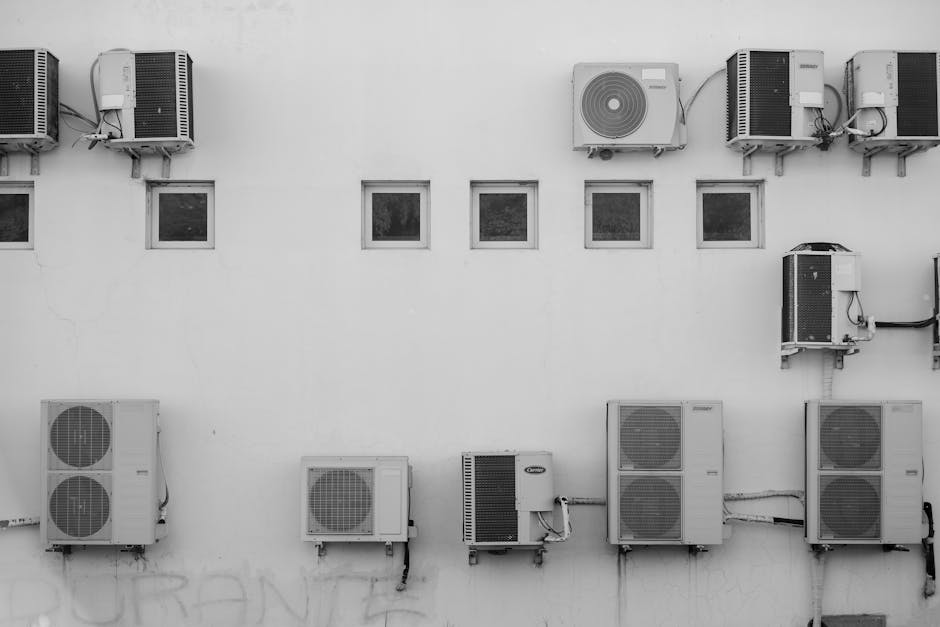
Selecting a new air conditioning system is a significant decision that affects your comfort and energy costs for years to come. With various types and sizes available, understanding your options helps you make the right choice for your home's unique needs.
Consider Your Home's Layout and Size
The first factor is your home's square footage and layout. Larger homes may require a central air system that cools the entire house through ductwork, while smaller homes or apartments might benefit from window units or ductless mini-split systems. Your home's existing infrastructure matters too—if you already have ducts, a central system makes sense. If you lack ductwork, installing it can be expensive, making a ductless system more practical.
System Types and Their Benefits
Central air conditioning systems cool your entire home efficiently and are ideal for larger properties. They integrate with your furnace for combined heating and cooling. Window air conditioners work well for single rooms or small spaces and require no installation beyond fitting them in a window frame. Ductless mini-split systems offer zone control, allowing you to cool specific areas independently. Heat pumps provide both heating and cooling in one efficient unit.
Energy Efficiency Ratings
Look for units with high SEER ratings, which measure cooling efficiency. Higher SEER ratings mean lower energy consumption and reduced utility bills. Energy-efficient systems cost more upfront but save money over time through lower operating costs. Modern systems significantly outperform older equipment, making upgrades worthwhile for homes with aging units.
Budget and Long-Term Value
Consider both initial purchase price and lifetime operating costs. A cheaper unit that consumes more energy will cost more over its lifetime. Factor in maintenance needs—some systems require more frequent servicing than others. Professional installation quality matters too; a well-installed efficient system outperforms a poorly installed high-end unit.
Climate Considerations
Your local climate influences the best choice. Areas with moderate summers might need less cooling capacity than regions with extreme heat. Humidity levels also matter—some systems handle humidity removal better than others, which is crucial in wet climates.
Take time to evaluate your needs, compare options, and get professional assessments. A properly sized system that matches your home's requirements and climate will provide reliable cooling comfort while keeping energy costs reasonable throughout the cooling season.